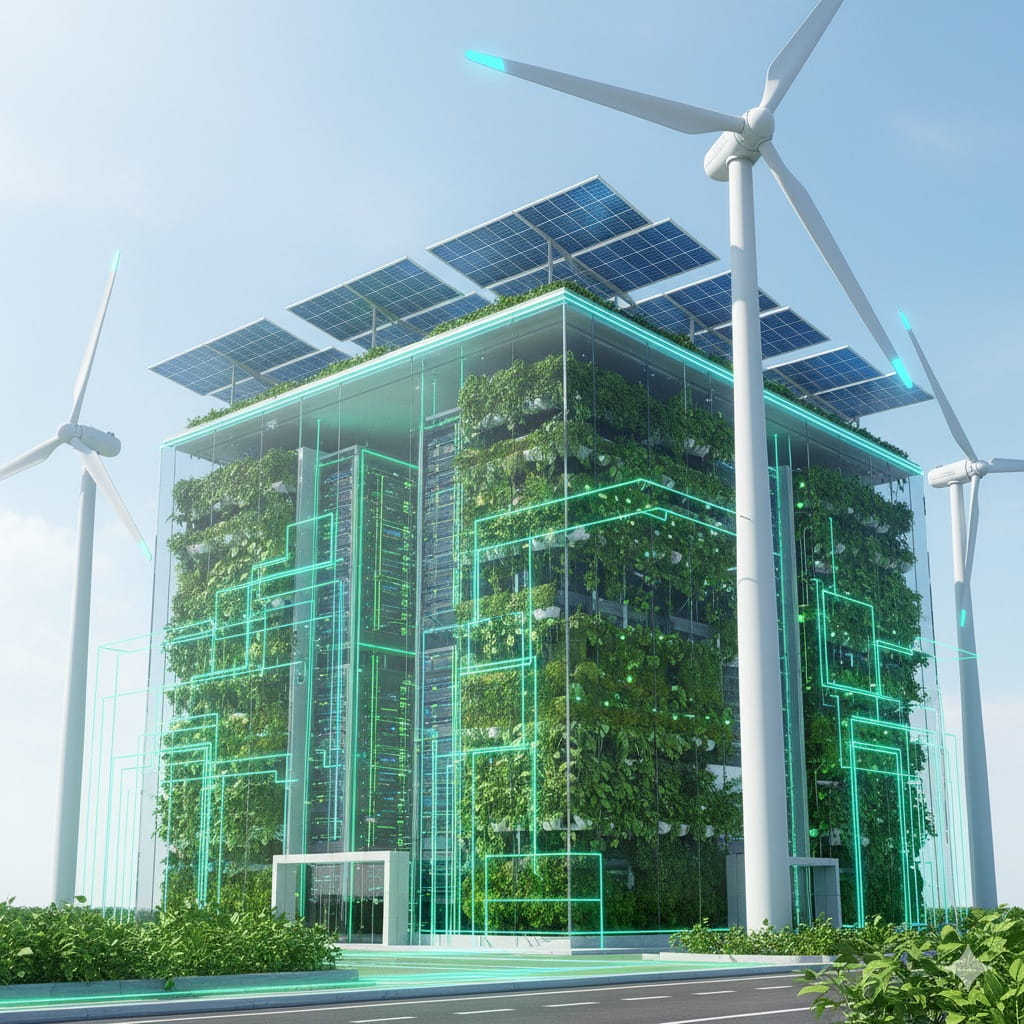
Technology has always been associated with progress, speed, and efficiency. But in recent years, another dimension has become just as important: sustainability. As climate change accelerates and energy costs rise, businesses are rethinking how their digital infrastructure impacts the environment.
Data centers, which power everything from social networks to financial transactions, are among the largest consumers of electricity worldwide. Left unchecked, their energy use could become unsustainable. This is why companies are turning to green IT strategies—from optimizing server efficiency to investing in renewable energy sources—to reduce their carbon footprint while maintaining performance.
But sustainability in tech isn’t just about hardware. Software plays a crucial role as well. Developers are now building applications that are lighter, faster, and less resource-intensive, ensuring that digital products consume less energy without sacrificing functionality. Even cloud computing, often seen as a driver of energy consumption, can become part of the solution when providers consolidate resources and power them with clean energy.
The shift toward sustainable IT also has a direct impact on customer perception. Consumers are increasingly drawn to brands that align with their values, and environmental responsibility is now a deciding factor. A company that demonstrates commitment to green practices doesn’t just reduce costs—it strengthens its reputation and builds loyalty with a more conscious audience.
In many ways, sustainability and technology are no longer separate conversations. They are two sides of the same coin, shaping how businesses will grow in the coming decade. By embracing green IT today, organizations are not just protecting the planet—they’re securing their own long-term competitiveness.
Conclusion: Sustainable technology is not a trend; it’s a new standard of business excellence, where innovation and responsibility go hand in hand.