

Why Edge Computing Is the Next Big Step in Digital Transformation For years, the cloud has been the backbone of digital progress. But as devices become smarter and data volumes grow, a new approach is emerging: edge computing. Instead of sending all data to distant servers, edge computing processes information closer to where it is generated—whether that’s a factory floor, a retail store, or even a connected car. The benefits are immediate. By reducing the distance data needs to travel, edge computing dramatically improves speed and responsiveness. In sectors like healthcare, where real-time decisions can save lives, or in autonomous vehicles that must react instantly, every millisecond counts. The edge ensures that data-driven actions happen without delay. This shift also helps businesses manage the sheer volume of data being produced. With billions of IoT devices generating constant streams of information, it’s neither practical nor efficient to send everything to the cloud. By filtering and processing locally, companies can reduce bandwidth costs and keep their systems running smoothly. But innovation at the edge isn’t just technical—it’s strategic. It enables new business models, from personalized shopping experiences powered by in-store sensors to predictive maintenance in manufacturing, where machines can diagnose issues before they fail. For many industries, the edge is not simply a complement to the cloud, but a critical tool for unlocking the next wave of digital transformation. Of course, challenges remain. Security, infrastructure costs, and the complexity of managing distributed systems must all be addressed. Yet the momentum is undeniable: edge computing is reshaping the way we think about data, speed, and innovation. Conclusion: As the digital landscape evolves, edge computing represents not just a technological upgrade, but a fundamental change in how businesses deliver faster, smarter, and more efficient services to their users.

Building a Greener Digital Future
Technology has always been associated with progress, speed, and efficiency. But in recent years, another dimension has become just as important: sustainability. As climate change accelerates and energy costs rise, businesses are rethinking how their digital infrastructure impacts the environment. Data centers, which power everything from social networks to financial transactions, are among the largest consumers of electricity worldwide. Left unchecked, their energy use could become unsustainable. This is why companies are turning to green IT strategies—from optimizing server efficiency to investing in renewable energy sources—to reduce their carbon footprint while maintaining performance. But sustainability in tech isn’t just about hardware. Software plays a crucial role as well. Developers are now building applications that are lighter, faster, and less resource-intensive, ensuring that digital products consume less energy without sacrificing functionality. Even cloud computing, often seen as a driver of energy consumption, can become part of the solution when providers consolidate resources and power them with clean energy. The shift toward sustainable IT also has a direct impact on customer perception. Consumers are increasingly drawn to brands that align with their values, and environmental responsibility is now a deciding factor. A company that demonstrates commitment to green practices doesn’t just reduce costs—it strengthens its reputation and builds loyalty with a more conscious audience. In many ways, sustainability and technology are no longer separate conversations. They are two sides of the same coin, shaping how businesses will grow in the coming decade. By embracing green IT today, organizations are not just protecting the planet—they’re securing their own long-term competitiveness. Conclusion: Sustainable technology is not a trend; it’s a new standard of business excellence, where innovation and responsibility go hand in hand.

Cybersecurity in the Digital Age: Why Protection Matters More Than Ever
The Rising Importance of Cybersecurity In today’s hyperconnected world, every business—whether a global enterprise or a small local company—relies on digital systems to operate. This dependence brings enormous benefits, but it also exposes organizations to new and evolving cyber threats. From ransomware attacks to data breaches, cybersecurity has become a critical issue that no company can afford to ignore. What makes the challenge even greater is the speed at which threats evolve. Hackers are no longer lone individuals acting from basements—they are part of sophisticated, organized networks that exploit even the smallest vulnerability. For businesses, the question is no longer if they will be targeted, but when. The consequences of inadequate protection can be devastating. Beyond the immediate financial losses, a data breach can cause irreparable damage to reputation, erode customer trust, and expose companies to legal consequences. In sectors like healthcare, finance, or e-commerce, this can even endanger lives or livelihoods. Yet it’s not all bad news. The tools and strategies available to defend against cyberattacks are more advanced than ever. Modern cloud providers integrate real-time monitoring, encryption, and automated threat detection, while businesses increasingly adopt a “zero-trust” approach to limit access to sensitive information. Training employees to recognize phishing attempts and suspicious activity is also proving to be one of the most effective first lines of defense. Ultimately, cybersecurity is no longer just the responsibility of IT departments—it’s a company-wide priority. Protecting digital assets is about safeguarding the future of the business itself, ensuring that innovation and growth are built on a foundation of trust and resilience. Conclusion: In the digital age, investing in cybersecurity isn’t optional—it’s the cost of doing business responsibly.
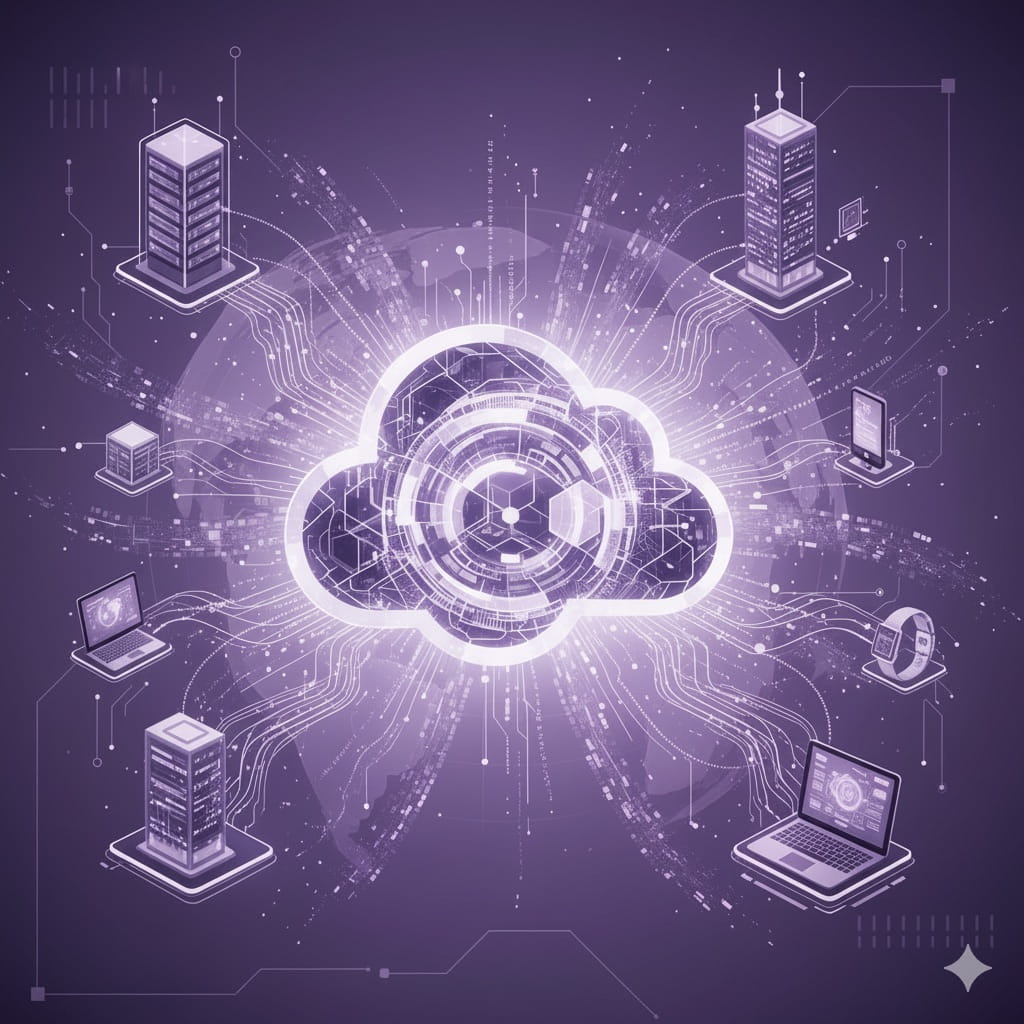
Why Cloud Has Become a Strategic Choice for Modern Enterprises
In the past decade, cloud computing has moved from being an emerging technology to a core pillar of digital transformation. Organizations of all sizes—from startups to global enterprises—are embracing the cloud as the foundation of their IT strategy. But what is driving this massive migration, and why is the cloud no longer just an option but a necessity? 1. Instant Scalability and Flexibility Traditional IT infrastructures require significant investments in hardware and planning to manage growth. By contrast, the cloud allows businesses to scale resources up or down instantly, depending on demand. For example, an e-commerce company can easily handle traffic spikes during the holiday season without maintaining costly servers year-round. This flexibility enables businesses to remain agile and competitive in a fast-changing market. 2. Enhanced Security and Compliance Cybersecurity remains one of the biggest concerns for modern businesses. Cloud providers invest heavily in state-of-the-art encryption, access controls, and compliance certifications. Many offer built-in monitoring tools that detect and mitigate potential threats in real time. For companies handling sensitive customer data, this level of protection can often exceed what they could achieve with on-premises solutions. 3. Cost Efficiency and Resource Optimization Maintaining physical data centers comes with high costs: energy consumption, cooling systems, hardware upgrades, and staff for maintenance. The cloud eliminates many of these expenses by offering a pay-as-you-go model, meaning companies pay only for what they use. This approach not only lowers operational costs but also allows organizations to redirect their budgets toward innovation and growth initiatives. 4. Driving Innovation with Emerging Technologies Beyond cost and scalability, the cloud serves as the backbone for adopting next-generation technologies. Artificial intelligence, machine learning, big data analytics, and IoT applications all rely on the flexibility and processing power of cloud environments. Businesses that embrace the cloud gain access to tools that enable predictive insights, automation, and smarter decision-making. 5. Global Collaboration and Remote Work The COVID-19 pandemic accelerated the need for remote collaboration. Cloud solutions provide seamless access to data and applications from anywhere in the world. Teams can collaborate in real time, share resources securely, and maintain productivity regardless of location. This trend has reshaped workplace culture, making the cloud indispensable for the future of work. Final Thoughts The decision to migrate to the cloud is no longer simply about technology—it’s about ensuring long-term resilience, scalability, and innovation. Companies that delay this transformation risk falling behind competitors who are already leveraging the power of cloud platforms. Bottom line: Cloud migration has become a strategic investment for business growth, enabling organizations to innovate faster, operate more securely, and serve their customers better.